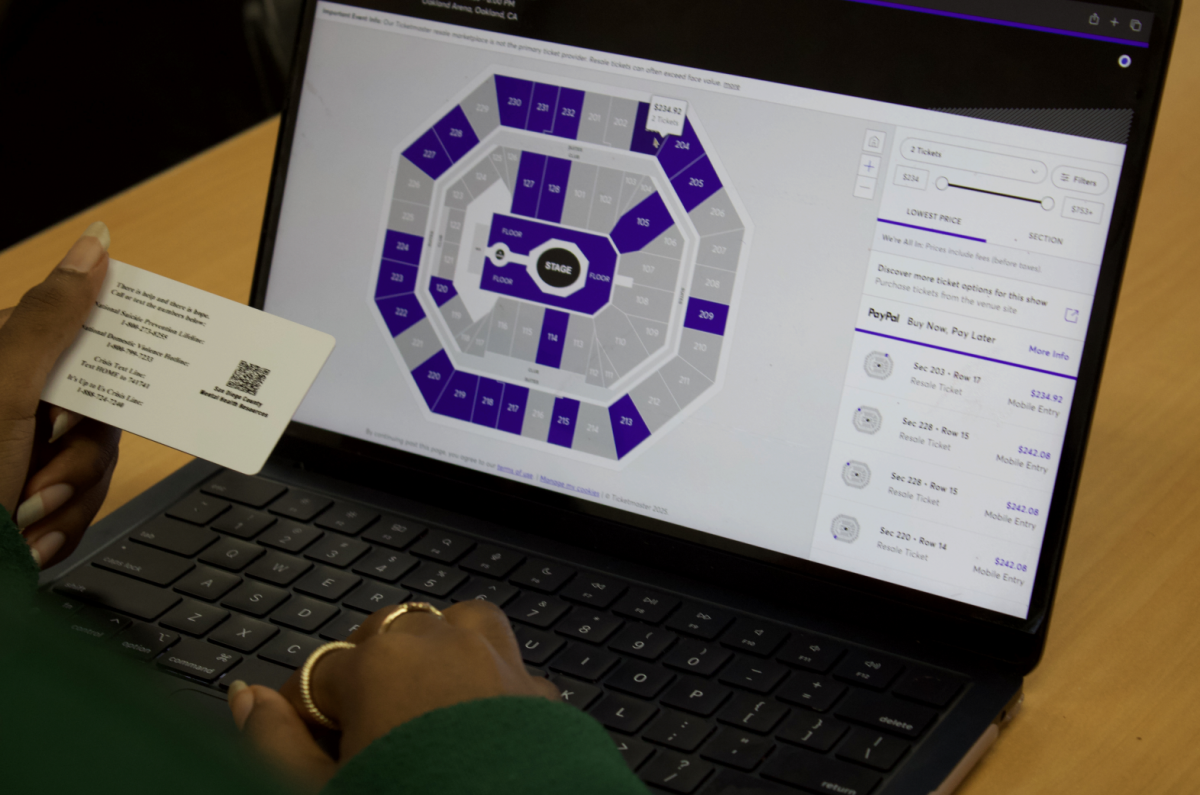
In the world of concerts, sports games, and other spectator events, fans are facing a new challenge: it’s not just getting tickets, but affording them. Ticketing companies struggle to control resellers who raise tickets higher than face value. Resellers continue to sell tickets with unfair prices, which disappoints and frustrates fans.
In 2022, when the iconic Eras Tour with Taylor Swift was announced, Ticketmaster faced backlash for using its dynamic ticketing system, which raises ticket prices if there is a high demand and makes it impossible for fans to get tickets. This practice led to fans filing lawsuits against the company, according to BBC News. Resale tickets for the tour went from as high as $5,000 dollars for a single ticket. Ticketmaster couldn’t keep up with the high demand for the tour and canceled general sales for not maintaining the limit with tickets in presale, according to NPR. The same issue affected fans of Beyonce, Bad Bunny, Sabrina Carpenter, Ariana Grande, and more.
The way the ticket selling works is initially tickets will go on sale when the tour dates are announced, and people have the choice of presale or general sale. Presale is where you buy tickets before they are available to the public and this is usually through a specific code, sign-in, or membership to access the sale. With general sale, anyone can buy tickets freely. Often eager fans will have multiple devices trying to buy tickets, making sure they can get them with at least one device before they sell out in seconds. When general sales for shows end, resellers move to other different ticketing platforms including the most frequently used Ticketmaster, SeatGeek, StubHub, and more. Resellers will either put up tickets even before sales, scamming people with putting up tickets that aren’t available yet, or raising prices ridiculously once buying tickets that were way cheaper than what they’re offering.
Fans are frustrated and upset over resellers that buy bots and use fake accounts to buy tickets before real people can. All over social media, fans take to X and tiktok crying and disappointed, expressing their frustration over not getting tickets. Then, other fans who got lucky and were able to purchase tickets, boast that they “Won the War.”
As a Tame Impala fan, I found it very difficult to get tickets for a reasonable price on his Deadbeat tour. My friends and I checked ticketing websites constantly and we’d see nosebleeds for an estimated value of $350 dollars, compared to when they were first released. The face value ticket price started at $80 dollars.
According to The Los Angeles Times, Ticketmaster attempted to defend its business against the FTC allegations and denied that the company allows those to abuse its platform through reselling for success in financials, saying they never purposefully allowed establishments to ticket limits for certain buyers. Overall, they believed the allegations were “distorted facts.” Ticketmaster announced that it planned to limit ticket buyers and users to having only one account to prevent issues with resale and cancel all other existing accounts. The company later tried to shut down its TradeDesk software to manage and improve its reputation and resolve many of its issues.
After U.S. congressional hearings and state-level consumer protection bills, people are starting to be more aware of their choices in giving and buying overpriced tickets and whether it’s worth it. Everyone hopes for better and possible situations such as resale limits and possibly more verified fan sales, ensuring more fairness. Concerts are something everyone should experience, but we should be aware of whether it’s worth spending thousands of dollars on events. When resellers take advantage of the fun and entertainment of live music, remind yourself on whether it’s the best move to pay their inflated price and instead invest in something else for yourself.
As hard as it is to get tickets with high demand these days and how impossible it is to beat the bots, it’s better to think strategically and have a plan when it comes to buying high priced tickets and really think about whether it’s a good choice and to be careful with the platforms you use.