Biopic films continue to bring the lives of influential activists, artists, and public figures who have shaped culture across generations to the big screen. In recent years, musical biopics have become very popular, sparking interest in younger audiences about different generations of music, art, and activists. Biopics like Elvis, Bohemian Rhapsody, and even historical ones like Malcolm X demonstrate how this genre brings real-life figures to the screen in powerful ways.
Biopics are more common in recent years because of the nostalgia it gives to audiences and the accessibility on various streaming platforms, giving it more attention across social media. We saw this with the releases of Elvis and Bohemian Rhapsody. The easier access to the films helped them reach larger audiences. Biopics have come a long way. In fact, the highest grossing biography movie was Oppenheimer (2023) which also won an Oscar for Best Picture in 2024. This film describes the life of scientist J. Robert Oppenheimer and proves how biopics can turn historical figures into major cultural conversations.
Despite their popularity, biopic films often raise the ongoing debate on whether or not these biopics are entirely accurate about who they portray. Biopics can exaggerate real events and alter the stories of many public figures. Some facts are changed or simplified, and this causes controversy. In some cases, relationships and timelines are altered to possibly make the story more emotionally compelling.
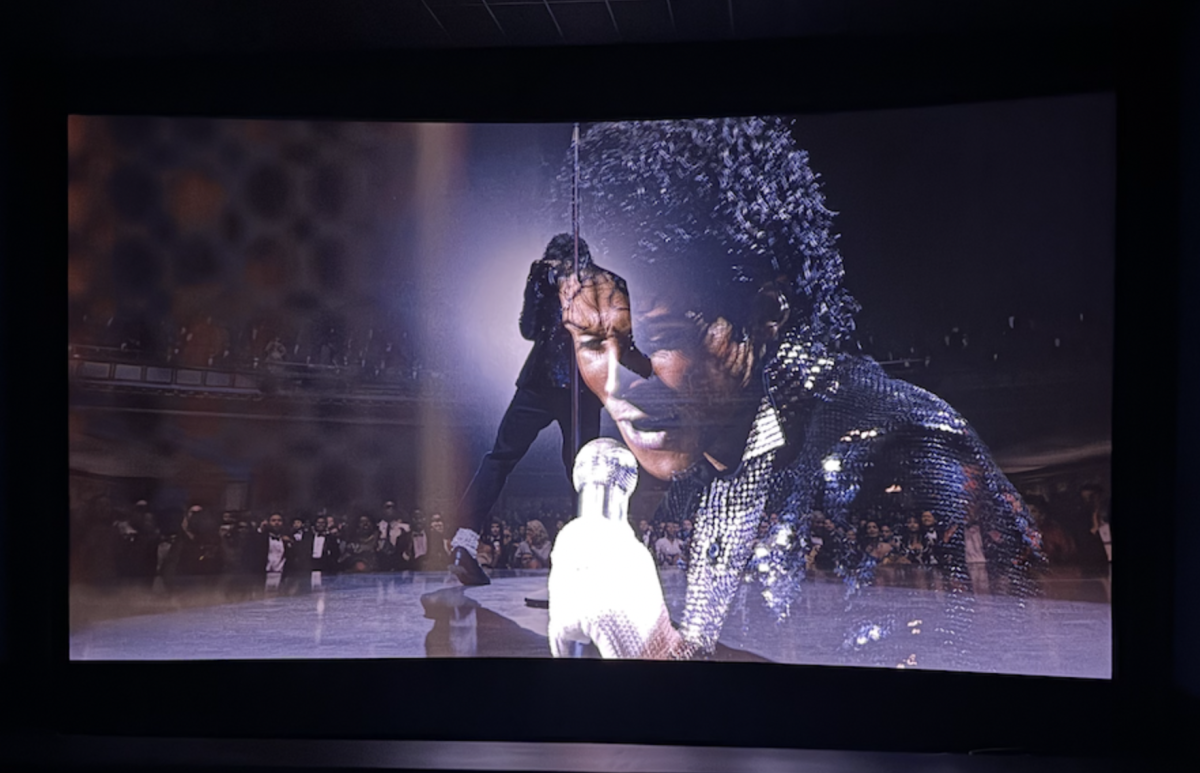
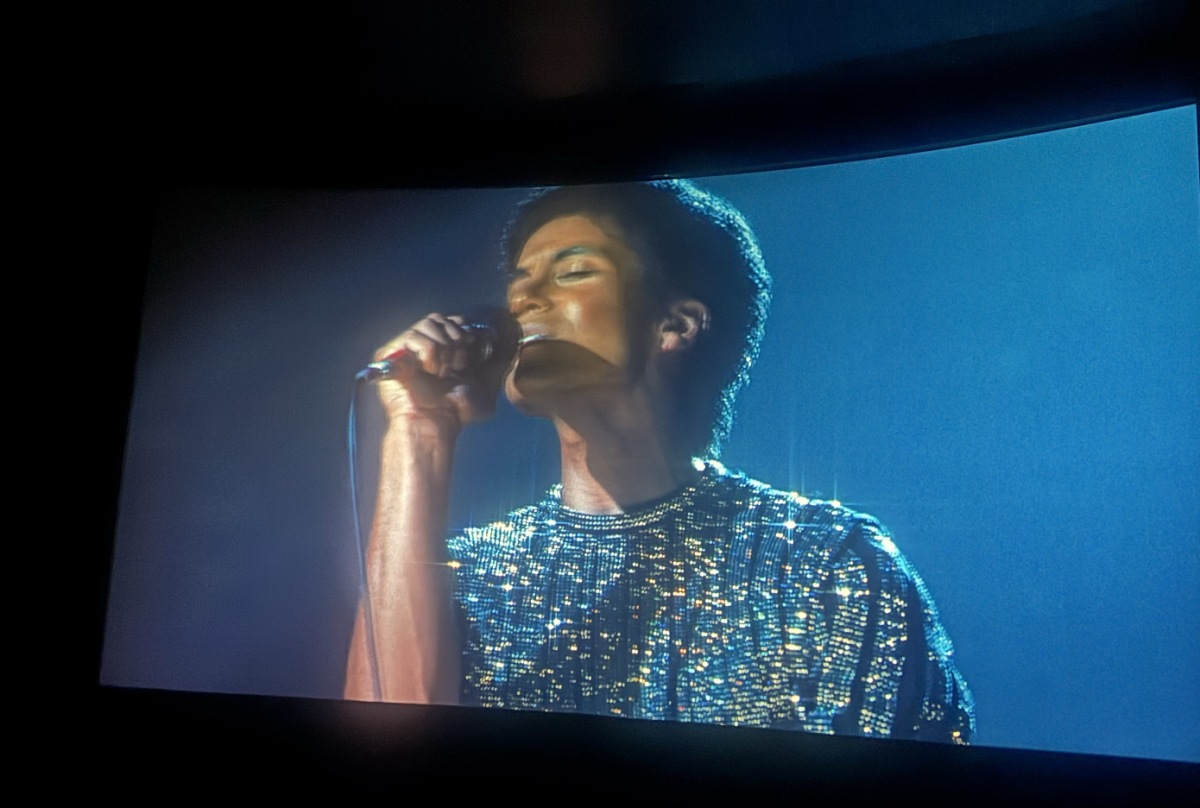
The upcoming biopic about Michael Jackson has gained a lot of public attention before its release. Paris Jackson, the daughter of Michael Jackson, spoke on Instagram criticizing the upcoming Michael biopic. According to The Guardian, she claims the biopic has been “sugar coated” and contains “full-blown lies.” Jackson’s criticism highlights a common issue in many biographical films where there are different perspectives on how real life events should be portrayed. While her comments reflect her personal concerns about representation, it also contributes to the ongoing discussions on how audiences interpret biopics and noticing the balance between storytelling and accuracy.
Biopics ultimately shape the way people remember public figures and introduce icons to new and younger audiences that influences pop culture and music appreciation. Paris Jackson’s point is very common in most Biopics where the exaggerated version of these biographical films are what attracts people, but is it worth it for the lack of accuracy?
Although there may be flaws in biopics where it’s not entirely accurate, they are films that are needed more in the film industry because of the sense of nostalgia they bring and how it further strengthens interests in certain public figures. It not only introduces figures but also affects how they are understood by future generations. Biopics tell stories but they also shape the public’s memory and what they value. They are compelling because it brings historical figures into more intimate and relatable narratives. It not only introduces figures but also affects how they are understood by future generations. Biopics tell stories but they also shape the public’s memory and what they value.
Whether biopics are completely accurate or not, they make sure pop culture stays relevant and continues to inspire the public and future generations.